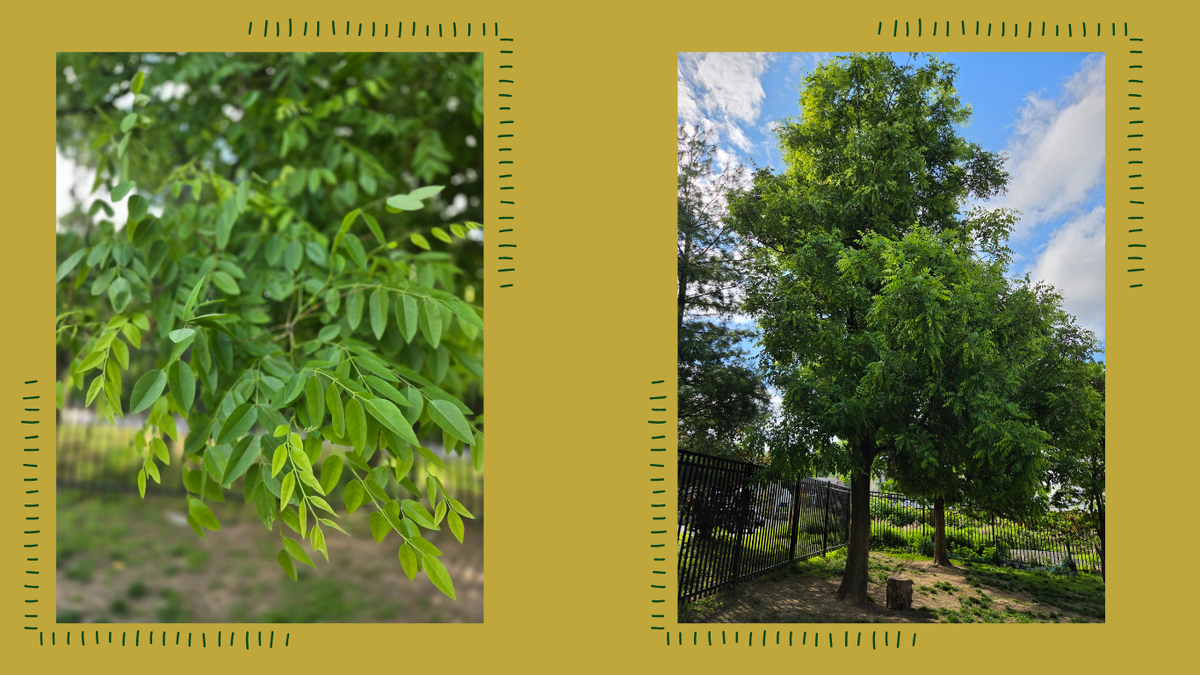
GWCS Arboretum » #10: Japanese Pagoda Tree

#10: Japanese Pagoda Tree

Japanese Pagoda


Classifications

Common Name: Japanese Pagoda Tree, also known as the Scholar Tree, or Chinese Scholar Tree

Scientific Name: Styphnolobium japonicum

Family: Fabaceae (pea/legume family)

Tree Type: Deciduous


Growing Conditions 

Light: Full Sun

Water: Moderate, drought-tolerant

Soil: Well-drained soil, adaptable and tolerant to poor, compacted, urban soil

Spread: 40 to 60 ft wide

Height: 40 to 75 ft tall

Bloom Time: July to August


Leaf Characteristics

Leaf Type: Compound (Pinnately Compound)

Leaf Blade: Ovate to elliptic (leaflets)

Leaf Arrangement: Alternate

Leaf Venation Pattern: Pinnate (leaflets)

Leaf Size: 1–2 in per leaflet


Interesting Facts

Fact #1: The Japanese Pagoda Tree is native to China and Korea, not Japan as its name implies. The tree is traditionally planted near temples, pagodas, and imperial grounds, earning the nickname “Chinese Scholar Tree”. 


Fact #2: Japanese Pagoda Trees are often planted in cities because they tolerate pollution, heat, and compacted soil better than other types of trees. 


Fact #3: The Japanese Pagoda Tree is one of the few large shade trees of blooms in mid to late summer, providing an important nectar source for honeybees when most other flowers are gone.